Encoding Techniques for 5G
Introduction to 5G Encoding Techniques
Encoding in the context of 5G telecommunications refers to the transformation of information into a suitable format for efficient and reliable transmission over the network. This introductory section explores the critical role of encoding techniques in enhancing the performance and capabilities of 5G networks.
The advent of 5G has ushered in an era of unprecedented data speeds, ultra-reliable low-latency communications, and massive connectivity. However, these advances bring new challenges in network efficiency and data integrity. Encoding techniques are pivotal in addressing these challenges, ensuring that data is transmitted more efficiently and with higher reliability across the 5G spectrum.
Importance of Encoding in 5G
In 5G networks, encoding is not just about data compression; it is also about making the transmission more robust against errors and interference, a common occurrence in high-speed wireless environments. Proper encoding helps in:
Reducing Bandwidth Consumption: Efficiently encoded data requires less bandwidth to transmit, which is crucial for accommodating the vast amount of traffic on 5G networks.
Improving Data Integrity: Advanced encoding techniques provide mechanisms for error detection and correction, ensuring data integrity during high-speed transmissions.
Enhancing Network Reliability: By mitigating transmission errors, encoding enhances the overall reliability of the network, which is essential for mission-critical applications.
Scope of This Section
This section will delve into the advanced encoding techniques employed in 5G networks, discuss their importance for network efficiency and reliability, and present practical examples and case studies to illustrate their application in real-world scenarios. Through a comprehensive exploration, readers will gain a deep understanding of how encoding influences the performance and potential of 5G technologies.
The subsequent segments will uncover the intricacies of these techniques and their pivotal role in shaping the future of telecommunications. By understanding these principles, telecommunications professionals and enthusiasts alike can appreciate the underlying technologies that make 5G a transformative force in the digital world.
Advanced Encoding Techniques for 5G
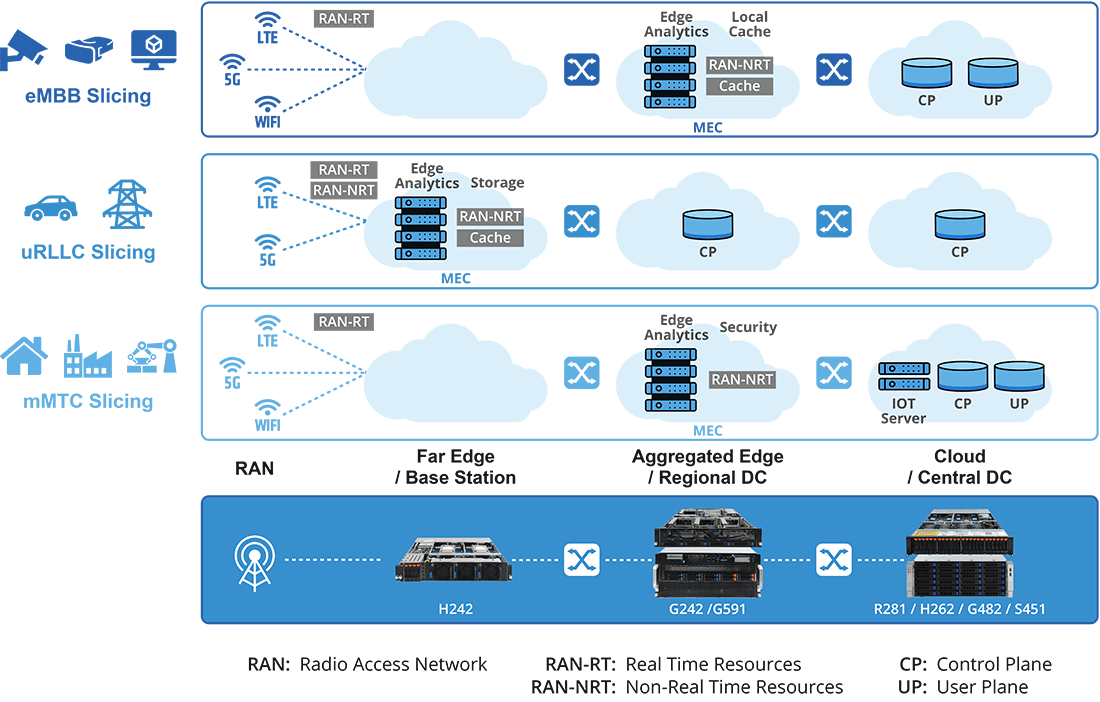
In the domain of 5G telecommunications, encoding techniques play a pivotal role in enhancing network performance, ensuring data integrity, and optimizing transmission efficiency. The transition from 4G to 5G has necessitated the adoption of more sophisticated encoding schemes, specifically Polar codes and Low-Density Parity-Check (LDPC) codes. These techniques are tailored to meet the stringent requirements of 5G’s diverse communication environments, including enhanced mobile broadband (eMBB), ultra-reliable and low-latency communications (URLLC), and massive machine-type communications (mMTC).
Polar Codes: Revolutionizing Control Channel Encoding
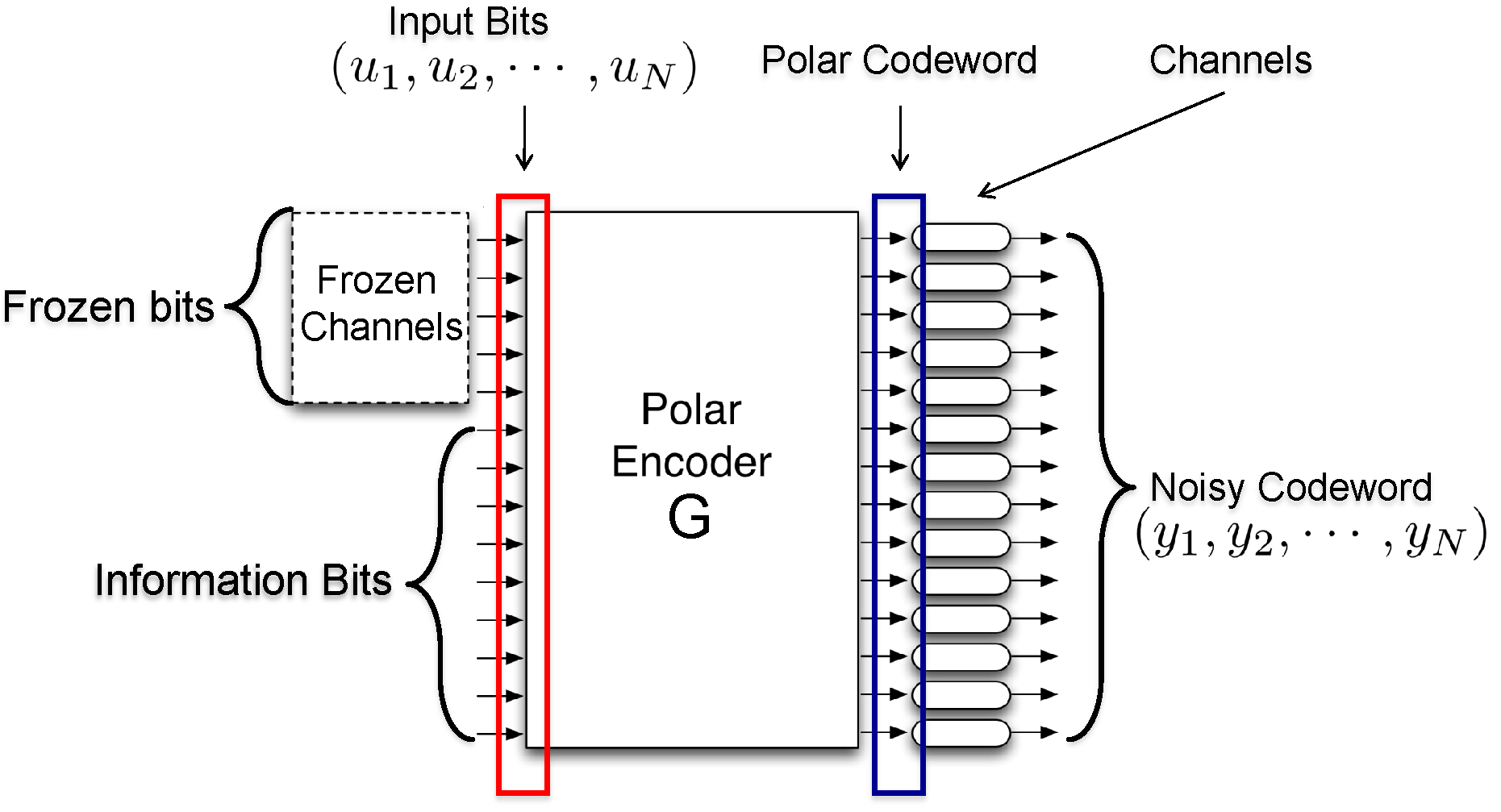
Complexity Reduction of Polar Codes
Polar codes mark a significant evolution in error-correcting code design, being the first to achieve channel capacity in certain theoretical settings. Introduced by Erdal Arıkan in 2009, they utilize the concept of channel polarization, a method that systematically improves the reliability of individual bit channels.
Technical Characteristics and Advantages:
Channel Polarization: This foundational principle of Polar codes ensures that, through a specific transformation, bit channels become polarized, segregating into highly reliable and highly unreliable categories. This segregation allows the encoder to allocate information bits to the most reliable channels, thereby enhancing the overall error-correcting performance.
Decoding Mechanism: Polar codes employ a unique decoding strategy known as successive cancellation decoding, which iteratively deciphers bits, leveraging previously decoded information to enhance accuracy. While inherently sequential, leading to higher latency, recent advancements have introduced successive cancellation list decoding, offering a trade-off between complexity and performance, making it more suitable for URLLC scenarios.
Adaptability to Short Block Lengths: Unlike traditional codes that excel over long block lengths, Polar codes demonstrate exceptional performance in short block scenarios, aligning well with the requirements for control information in 5G networks. This makes them particularly beneficial for applications demanding quick response times and low latency.
Attribute |
Description |
|---|---|
Block Length Compatibility |
Optimal for short to medium block lengths, ideal for 5G control channels. |
Error-Correcting Performance |
Superior at low signal-to-noise ratios, suitable for URLLC applications. |
Latency |
Lower compared to traditional LDPC codes, critical for time-sensitive communications. |
Implementation Challenges and Solutions:
While Polar codes offer significant advantages, they face challenges, particularly in decoding complexity and latency. Enhancements like successive cancellation list decoding and belief propagation have been proposed to address these issues, improving both throughput and latency, thus making Polar codes more practical for real-world 5G applications.
Low-Density Parity-Check (LDPC) Codes: Enhancing Data Channel Reliability
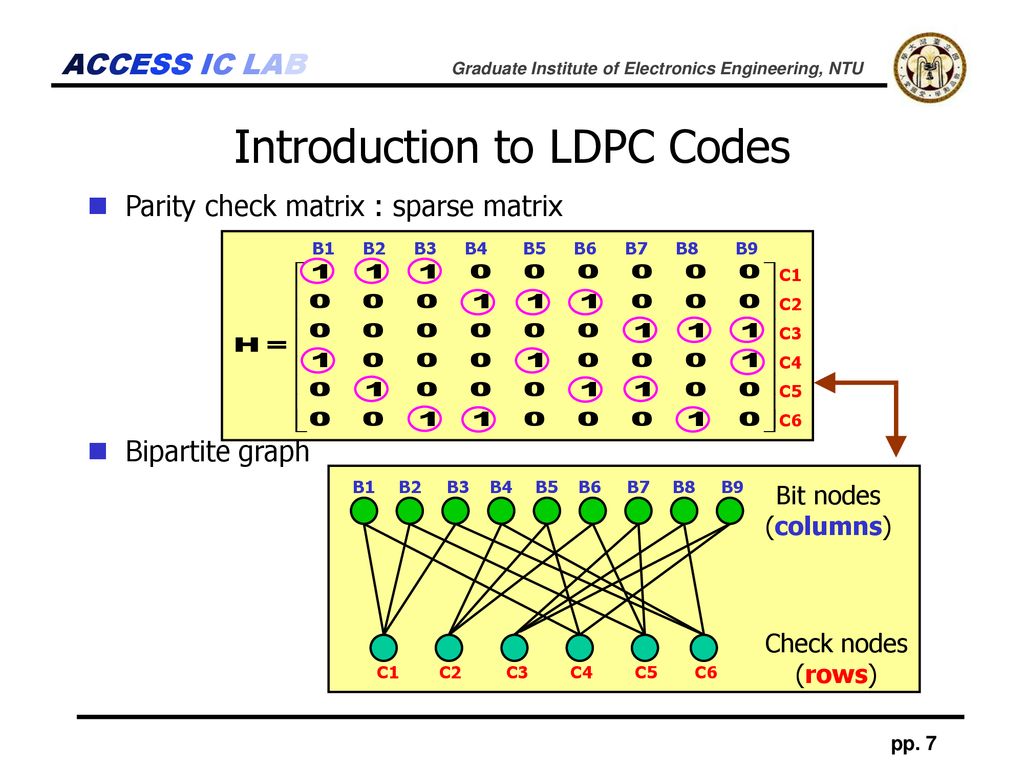
Basic components of LDPC Codes
LDPC codes, first introduced by Robert Gallager in 1962, have undergone significant evolution and have been adopted in 5G for their exceptional performance in large block length scenarios. They are characterized by sparse parity-check matrices, which facilitate efficient implementation and superior error-correcting capabilities, particularly in the context of eMBB.
Technical Characteristics and Advantages:
Sparse Matrix Structure: The defining feature of LDPC codes is their sparse parity-check matrix, which leads to efficient decoding algorithms, such as the Belief Propagation (BP) algorithm. This sparsity results in lower decoding complexity and improved error correction, especially in the context of high data rate transmissions.
Flexibility and Scalability: LDPC codes can be designed for a wide range of block lengths and code rates, making them highly adaptable to various 5G scenarios. This flexibility ensures that LDPC codes can be optimized for different quality of service requirements, from high throughput in eMBB to robustness in URLLC.
Performance Near Shannon Limit: LDPC codes are renowned for their ability to perform close to the Shannon limit, the theoretical maximum efficiency of a communication channel. This characteristic makes them ideal for maximizing data throughput in 5G networks, particularly for eMBB applications requiring high data rates.
Attribute |
Description |
|---|---|
Code Rate and Block Length Flexibility |
Highly versatile, can be tailored for specific network requirements, supporting a wide range of code rates and block lengths. |
Decoding Algorithms |
Utilizes Belief Propagation and its variants for efficient decoding, balancing performance and complexity. |
Performance and Efficiency |
Approaches the Shannon limit, ensuring optimal use of the communication channel. |
Implementation Challenges and Solutions:
The primary challenge for LDPC codes in a 5G context is the trade-off between decoding complexity and error correction performance. Advanced decoding techniques, such as layered decoding and min-sum algorithms, have been developed to address these challenges, offering improved performance and efficiency suitable for the high-speed requirements of 5G networks.
Conclusion
The adoption of advanced encoding techniques such as Polar codes and LDPC codes is instrumental in fulfilling the ambitious performance criteria of 5G. By addressing the unique challenges posed by 5G’s varied communication environments, these encoding strategies ensure robust, efficient, and reliable data transmission, essential for the next generation of wireless communications.
Encoding for Network Efficiency and Reliability
Introduction
In the realm of 5G telecommunications, encoding plays a pivotal role in maintaining network efficiency and ensuring data reliability. Advanced error correction and detection techniques, such as Low-Density Parity-Check (LDPC) codes and Polar codes, are fundamental to achieving these goals. This section delves into how these encoding strategies enhance the overall performance of 5G networks, focusing on their impact on throughput, latency, and service consistency.
Error Correction and LDPC Codes in 5G
Low-Density Parity-Check (LDPC) codes are integral to 5G’s data layer, providing robust error correction capabilities essential for maintaining high network throughput and efficiency.
Key Contributions of LDPC Codes:
Throughput Enhancement: By efficiently correcting errors within transmitted data blocks, LDPC codes significantly reduce the need for retransmissions, thus enhancing network throughput.
Adaptability: The flexible nature of LDPC codes, with their variable code rates and lengths, allows them to adapt dynamically to varying channel conditions, improving the efficiency of 5G data transmission.
HARQ Integration: The seamless integration with Hybrid Automatic Repeat Request (HARQ) mechanisms further bolsters data reliability, reducing latency and improving the responsiveness of the network.
Aspect |
Contribution |
|---|---|
Error Correction Efficiency |
Reduces the number of retransmissions needed, enhancing the overall throughput and efficiency of the network. |
Flexibility and Adaptability |
Allows for optimal performance across different network conditions, contributing to greater network efficiency. |
Integration with HARQ |
Minimizes latency and improves data reliability, leading to enhanced user experiences. |
Polar Codes and Network Reliability
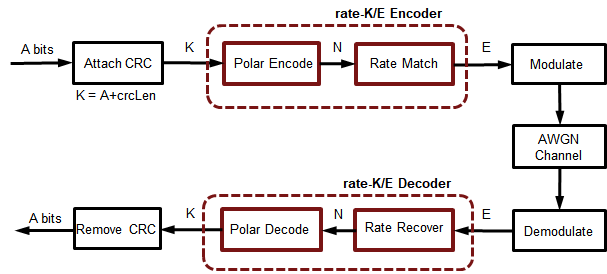
Polar codes, tailored for control channel communications in 5G, address the critical need for rapid, reliable transmission of control information.
Key Contributions of Polar Codes:
Latency Reduction: By excelling in environments requiring short block lengths, Polar codes minimize the decoding time, crucial for time-sensitive control information.
Channel Polarization: This unique property ensures that bits are allocated to channels based on their noise levels, enhancing the reliability of transmitted control signals.
Enhanced Control Channel Performance: The adoption of Polar codes in control channels leads to improved network reliability and stability, particularly in URLLC scenarios.
Aspect |
Contribution |
|---|---|
Enhanced Decoding Speed |
Reduces latency for control information, critical for URLLC and other time-sensitive applications. |
Reliability in Varied Channel Conditions |
Ensures consistent performance across different channel conditions, improving overall network reliability. |
Specific Application to Control Channels |
Optimizes control channel communication, enhancing network stability and efficiency. |
Error Detection in 5G
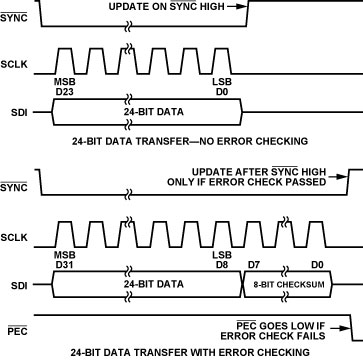
CRC Waveform Example
Effective error detection is crucial for maintaining the integrity and reliability of 5G networks. The cyclic redundancy check (CRC) is a widely implemented technique in this domain.
Functionality and Benefits of CRC in 5G:
Error Detection: CRC provides a robust mechanism for detecting errors in transmitted packets, crucial for the integrity of both control and user data.
Network Reliability: By identifying corrupt packets, CRC enables the network to request retransmissions only when necessary, thus avoiding unnecessary bandwidth consumption and reducing latency.
Complementary to Error Correction: While LDPC and Polar codes focus on correcting errors, CRC adds an additional layer of integrity checking, enhancing overall data reliability.
Aspect |
Contribution |
|---|---|
Integrity Checking |
Ensures that data corruption is detected promptly, maintaining the overall data integrity within the network. |
Efficient Use of Network Resources |
Minimizes unnecessary retransmissions by accurately identifying corrupt data, optimizing network resources. |
Complement to Error Correction |
Works in tandem with LDPC and Polar codes, providing a complete solution for data reliability. |
Conclusion
The strategic implementation of advanced encoding techniques, coupled with effective error detection mechanisms, underscores the commitment of 5G networks to provide unparalleled efficiency and reliability. By leveraging the strengths of LDPC and Polar codes, alongside CRC, 5G networks are equipped to meet the ever-increasing demands for faster, more reliable wireless communication.
Case Study/Practical Examples
Enhanced Mobile Broadband (eMBB)
Introduction
Enhanced Mobile Broadband (eMBB) represents a cornerstone use case for 5G, aimed at delivering high data rates, significant improvements in capacity, and better network efficiency. This section explores how LDPC and Polar codes contribute to fulfilling these requirements, showcasing their impact through practical examples.
eMBB Requirements and Encoding Solutions
The eMBB scenario demands exceptional throughput, reduced latency, and enhanced reliability. Here, we dissect how LDPC and Polar codes meet these demands:
High Throughput: LDPC codes are adept at handling large data volumes, essential for eMBB’s high-speed data streaming services, such as 4K/8K video and virtual reality applications.
Variable Code Rates and Lengths: This flexibility allows networks to adapt to varying channel conditions and user demands, essential for the diverse applications envisioned for eMBB.
Efficient HARQ Processes: Integration with HARQ ensures timely correction of errors, crucial for maintaining continuous high-speed data transmission.
Feature |
Benefit |
|---|---|
LDPC High Throughput |
Enables the handling of high data rates, suitable for video streaming and large file transfers. |
Flexibility |
Adapts to various data rates and user demands, improving overall network responsiveness and efficiency. |
HARQ Integration |
Reduces data retransmission times, enhancing user experience and network capacity. |
Practical Example: High-Definition Video Streaming
Consider a scenario where users access high-definition video streaming services, a typical application of eMBB. The utilization of LDPC codes facilitates the seamless delivery of high-bandwidth content, ensuring minimal buffering and superior image quality. Real-world tests have demonstrated that networks employing LDPC codes can achieve higher data throughput and reliability, directly translating to an enhanced user experience.
Ultra-Reliable and Low Latency Communications (URLLC)
Introduction
Ultra-Reliable and Low Latency Communications (URLLC) cater to applications requiring immediate data transfer with minimal errors, such as autonomous driving and telemedicine. In this context, Polar codes’ unique properties make them particularly valuable.
URLLC Requirements and Encoding Solutions
URLLC scenarios demand unparalleled reliability and latency measures. Polar codes, with their efficient handling of short block lengths and low-latency decoding, are instrumental in this regard:
Low Latency: Polar codes support rapid encoding and decoding processes, essential for latency-sensitive applications.
Reliability: The inherent error correction capabilities of Polar codes ensure data integrity, a non-negotiable requirement for URLLC.
Feature |
Benefit |
|---|---|
Polar Code Speed |
Facilitates real-time communication, critical for URLLC applications. |
Error Correction Capability |
Ensures data integrity and reliability, reducing the need for retransmissions and further lowering latency. |
Practical Example: Autonomous Vehicle Communication
- In autonomous vehicle ecosystems, URLLC enables vehicles to communicate with each other and infrastructure with minimal delay. Polar codes are employed to ensure that control messages, such as braking signals, are transmitted and received within milliseconds, thereby preventing accidents and enhancing road safety. Field trials have underscored the effectiveness of Polar codes in reducing transmission errors and latency, pivotal for the safety-critical communication required by autonomous vehicles.
Autonomous Vehicle Netowrk URLLC
Smart Cities and 5G Encoding Techniques
Introduction
Smart cities embody the integration of information and communication technologies to enhance the quality and performance of urban services such as energy, transportation, and utilities. 5G networks, empowered by advanced encoding techniques like LDPC and Polar codes, are crucial in facilitating this seamless integration, ensuring reliable, high-speed communication among a vast array of IoT devices.
Smart City Requirements and Encoding Solutions
The smart city infrastructure demands robust, efficient, and scalable communication networks. Here’s how LDPC and Polar codes contribute:
Scalability and Efficiency: LDPC codes, with their ability to handle a wide range of code rates and lengths, are ideal for the diverse array of devices and applications within smart cities, from high-speed data transmission to low-rate sensor data.
Reliability in Varied Environments: Smart cities feature a complex mix of urban and sub-urban environments. Polar codes, with their excellent performance in short block lengths, are adept at providing reliable communication in varying signal conditions.
Feature |
Benefit |
|---|---|
LDPC Scalability |
Accommodates a wide array of IoT devices, ensuring efficient communication across the smart city ecosystem. |
Polar Code Reliability |
Ensures dependable transmission for critical urban infrastructure controls, enhancing citywide safety and responsiveness. |
Practical Example: IoT Devices in Urban Management
Consider the deployment of IoT devices for monitoring and managing urban infrastructure, such as traffic lights, water sensors, and pollution monitors. These devices typically transmit small packets of data at irregular intervals. By employing LDPC codes optimized for varying data rates, the network can efficiently handle this sporadic traffic, reducing overhead and enhancing battery life. Additionally, the use of Polar codes in control messages ensures timely and reliable updates to and from these devices, crucial for immediate responses to urban events or emergencies.
Error Correction in IoT Communication
The efficiency of LDPC codes in IoT scenarios can be illustrated through their performance in error correction. The bit error rate (BER) performance of LDPC codes can be modeled as:
where \(R\) is the code rate, \(Eb\) is the energy per bit, and \(N0\) is the noise power spectral density. In smart city applications, where low-power devices are prevalent, optimizing \(R\), \(Eb\), and \(N0\) ensures that LDPC codes maintain high reliability while minimizing power consumption.
Autonomous Vehicles and 5G Encoding Techniques
Introduction
The advent of autonomous vehicles marks a significant leap towards reducing traffic accidents, improving road efficiency, and decreasing energy consumption. These vehicles rely heavily on 5G networks and advanced encoding techniques to process and exchange vast amounts of data in real-time.
Autonomous Vehicle Requirements and Encoding Solutions
Autonomous vehicles necessitate ultra-reliable communication with extremely low latency. The encoding techniques address these requirements as follows:
High-Speed Data Transmission: LDPC codes support the high data rates required for transmitting detailed maps, sensor data, and live video feeds, ensuring that autonomous vehicles receive and process necessary information without delay.
Real-Time Control Information: Polar codes, with their low latency and high reliability, are crucial for transmitting real-time control information, such as acceleration, steering, and braking commands.
Feature |
Benefit |
|---|---|
LDPC High Data Rate |
Facilitates the real-time transmission of sensor and video data, crucial for autonomous vehicle navigation and safety. |
Polar Code Reliability |
Ensures that critical control messages are delivered promptly and accurately, vital for vehicle safety and operational efficiency. |
Practical Example: Sensor Data Transmission in Autonomous Vehicles
Autonomous vehicles operate using a continuous stream of data from sensors and cameras, requiring error-free communication. The employment of LDPC codes allows for the efficient transmission of this high-volume data under varying channel conditions, ensuring that vehicles have accurate, up-to-date information. For instance, in a scenario where an autonomous vehicle needs to make a sudden stop, Polar codes can ensure that the stop command is transmitted and acknowledged with minimal delay, thereby preventing collisions.
Latency in Control Signal Transmission
The critical nature of real-time control in autonomous driving can be understood through the latency aspects of Polar codes. The decoding latency, essential for URLLC, can be expressed as:
where \(T_{decode}\) is the time taken to decode the Polar code, and \(T_{propagation}\) is the signal propagation time. Minimizing \(T_{decode}\) is crucial for maintaining the overall latency within the stringent limits required for safe autonomous vehicle operation.